Two AV proposals can list identical cameras, displays, and microphones and still produce completely different results once installed. One room reaches every seat with a legible image and a clean signal. The other needs a service ticket by week two, usually because nobody checked whether the network could carry the load before the equipment went in.
That gap says something uncomfortable about how this industry sells itself. Vendors compete on price because buyers assume they’re comparing hardware. But the real competition happens somewhere a spec sheet never touches: the design math behind the equipment, the integration holding it together, the training, and whoever answers the phone in the event a room stops performing. Here’s what a real proposal accounts for that a parts list never will.
What a Corporate AV Solution Includes
A corporate AV solution is the complete package of design, integration, training, and ongoing support that makes a room function as intended, beyond the equipment installed inside it. Cameras, displays, and microphones are the most obvious visible pieces, but they only work as a system when someone plans how they connect, tests how they perform, and stays available when something breaks.
The cost difference rarely shows up on day one. A room designed and integrated properly should run five to seven years before it needs a meaningful refresh. On the contrary, a room simply assembled from a parts list starts generating service calls in the first year, and every one of those calls, plus the staff time spent chasing down the cause, becomes a budget line nobody accounted for in the original quote.
The Boxes on the Truck Aren’t the Hard Part
Equipment is the easy part to compare. Two vendors can quote the same camera and the same display and land within a few hundred dollars of each other. What’s harder to compare on paper is what happens prior to those boxes arriving on-site – whether a site assessment was either done properly or was skipped.
A real site assessment covers square footage, measures ambient noise against a noise criteria rating, calculates display size against the farthest seat using AVIXA’s DISCAS guidance, verifies the network has a dedicated VLAN with the bandwidth and Power over Ethernet capacity every endpoint needs, and confirms the conduit and cable pathways exist before anyone drills into a wall. Skip any one of those checks, and a camera ends up too far from the table, a display winds up too small for the room, or an AV system is left fighting for bandwidth against everything else on the corporate network.
Ask about that process, and what to ask a commercial AV services partner, before a single box ships. How that question gets answered tells you as much as the proposal itself. A vendor who brushes past it is usually in the equipment business; a genuine partner walks through the whole sequence unprompted, because they’ve fielded that question enough times to expect it.
A few sharper questions separate a real corporate AV solution from a parts list with a markup attached:
- Who is doing the design work, and what is it based on? A site assessment that measures acoustics and network capacity produces a different result than a template applied to every room on the floor plan.
- What is included in integration, and what is billed separately? Some quotes bury integration costs in a change order after the equipment is already installed.
- How is staff training handled, and for how many sessions? A single walkthrough rarely covers a workforce that turns over.
- What is the support response time, in writing, and does it cover firmware and software or only hardware failures? A verbal promise to be responsive is not a quality service commitment.
- Who owns the relationship after installation? A single point of contact answers questions faster than a rotating project team.
The Same Cameras, Two Different Rooms
The gear in two competing proposals often looks nearly identical. Design and integration decide whether that gear performs the way it’s supposed to.
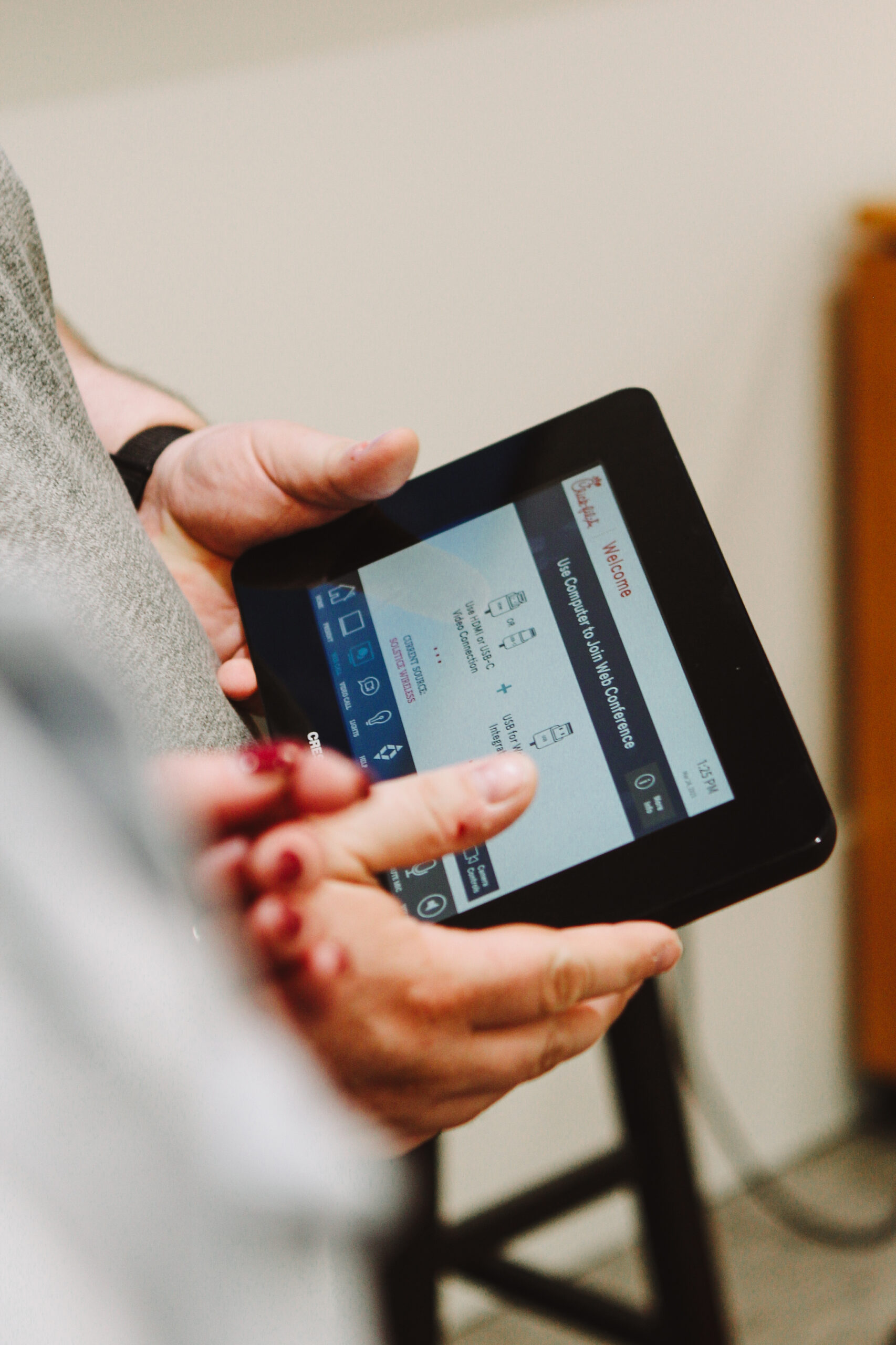
Design determines things a spec sheet never shows: camera placement relative to the table, microphone pickup against room acoustics, cable runs that keep signal clean over distance. Integration determines whether the room’s calendar system, video platform, and control panel talk to each other, or whether users end up juggling three remotes just to start a call.
Two rooms running the same certified camera can still perform differently depending on how the DSP is tuned for that room’s acoustics, whether the control system ties the camera, microphone, display, and calendar into a single interface, and whether what got installed matches the platform’s certified hardware list. Even a camera certified for a specific video platform underperforms in a room the integrator never bothered to tune.
This is the quiet shift underway across corporate AV. The industry built its reputation on hardware and treated design as an afterthought bundled in for free. Buyers who still compare proposals on equipment alone are shopping in a market that has already moved on.
Design work grounded in recognized frameworks, such as AVIXA’s published standards, performs the same way in room forty as it does in the one used for the demo. Companies running dozens or hundreds of rooms feel that gap first, which is exactly why treats design as a documented standard rather than a decision made room by room.
How Ongoing Support Turns Equipment Into a Working Solution
Equipment fails, firmware needs updates, and employees change how they use a room faster than any five-year plan predicts. None of that stops once the installation team packs up, and it’s usually the piece buyers evaluate last, if they evaluate it at all.
A corporate AV solution includes a support plan that spells out response-time tiers scaled to severity, monitoring that flags a failing device before a user notices, and a firmware and patch cadence so security updates don’t wait for a breakdown to trigger them. Buy equipment without that plan, and every failure turns into a fire drill instead of a scheduled fix.
Cover exactly this gap, turning one-off fixes into a standing plan that a facilities team can rely on.
Frequently Asked Questions
A corporate AV solution includes the AV equipment itself along with the design work, such as room acoustics and network readiness, system integration between platforms and control systems, staff training, and the ongoing support and monitoring needed to keep that equipment functioning reliably over its lifecycle.
Buying equipment directly gets you hardware. A corporate AV solution adds design, integration, training, and support that determine whether that hardware performs reliably for five to seven years or generates service calls in year one.
Ask who performs the design work and what it's based on, what integration includes versus what's billed separately, how staff training is delivered, what the support response time is in writing for both hardware and software issues, and who owns the relationship after installation.
A Corporate AV Solution Is Defined by What Happens After the Equipment Ships
The equipment list on a proposal says almost nothing about how a room performs six months later. What tells the real story is the design behind it, the integration holding it together, the training that got people using it, and the support standing behind it when something breaks.
Every dollar saved by skipping design or support tends to reappear later as a service ticket, a compliance gap, or a room nobody wants to use, and fixing it after the fact drains real money and downtime that a proper plan would have avoided. The organizations that treat AV as a solution instead of a purchase are the ones whose rooms are still running on schedule in year five, funding the next upgrade instead of an early rebuild.
Talk with AV Tech's consultants about what a complete corporate AV solution should include for your environment.