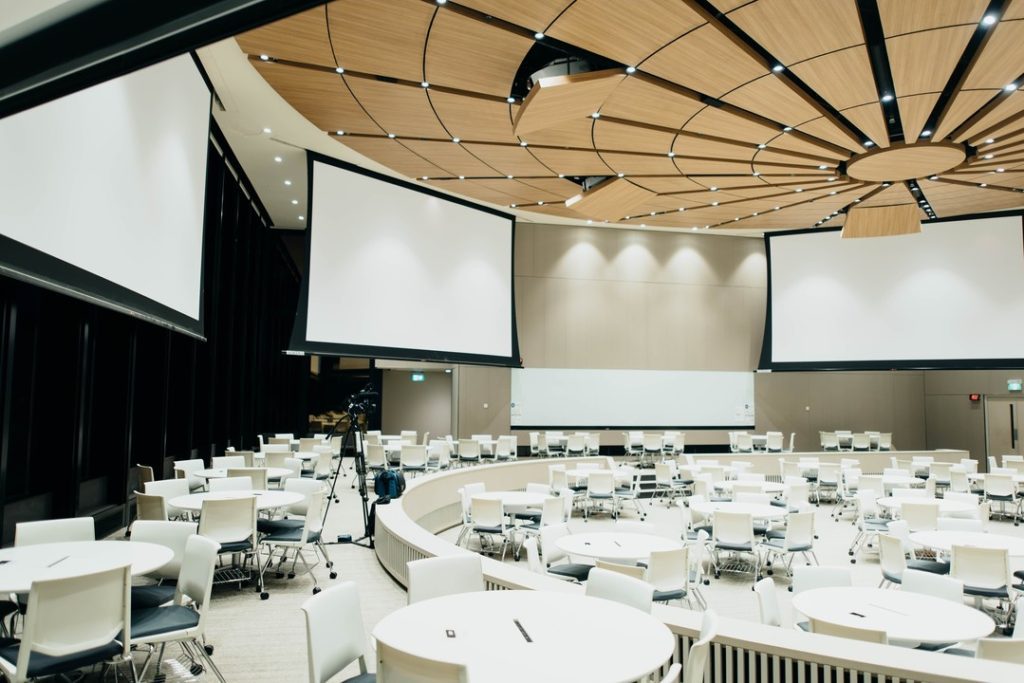
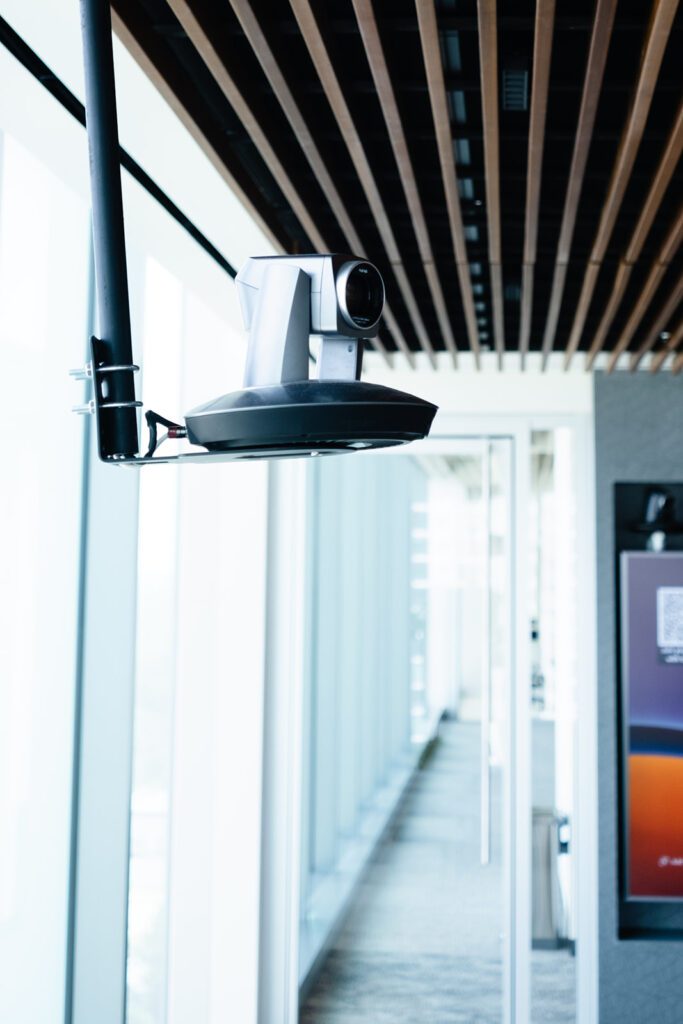
It happens all the time. A company invests in conference room AV upgrades with the hope that meetings will finally run the way they should. The gear looks impressive. The promises are big. The frustrations remain. The modern conference room is often over-equipped and underperforming, and leaders are left wondering why the upgrade didn’t change the day-to-day experience.
For CIOs and technology teams, the outcome feels familiar. The room tests well during installation, but cracks appear once real meetings begin. Users fall back to laptops because the in-room tech feels complicated or unreliable. This isn’t a technology shortage. It is a design and implementation problem. AV-Tech works with enterprise teams to close that gap, so conference rooms support the way people actually meet.
Why So Many Conference AV Room Upgrades Still Miss the Mark
Most conference room AV upgrades fail because the process centers on equipment instead of outcomes. Technology is only part of the story. Successful rooms rely on clear requirements, aligned teams, and support that continues after installation. When any of these falls short, performance does too.
Common patterns show up across enterprises. Everything works during install day, then behaves differently when ten people join a hybrid meeting. Touch panels feel unfamiliar, so teams switch to personal devices. Rooms in one building operate differently from rooms in another. These issues slow down teams and create friction that should not exist in a well-designed environment.
The 5 Most Common Reasons AV Upgrades Fail
1. Misalignment Between IT and AV Teams
CIOs approve projects that IT teams can’t fully support after launch. Effective room design depends on, room usage, infrastructure planning, and network capacity. When these pieces move separately, performance suffers.
2. No Defined Success Metrics
Upgrades are too often judged by the shininess of new hardware instead of business outcomes. Meeting uptime, user adoption, and support ticket trends should guide decisions and demonstrate ROI.
3. Vendor-Driven vs. User-Driven Design
Many integrators lead with hardware. AV-Tech centers the human experience, so systems are simple, familiar, and reliable during meetings. Human-centered design leads to confident, satisfied users and more productive meetings.
4. Lack of Standardization Across Locations
Enterprises with many rooms struggle to keep systems consistent. Standardized room designs lead to time and cost efficiency and improved user experience.
5. Weak Post-Installation Support
Some vendors install and walk away, leaving internal teams with insufficient training and support. Managed AV services maintain long-term system performance and help stay ahead of issues.
How to Make Conference Room Upgrades Actually Succeed
Success starts with a clear audit of what exists today and how people use each room. IT teams should be involved from the earliest planning stage. User experience mapping gives designers a realistic picture of meeting behavior. Standardized system design templates keep rooms consistent across locations. Managed AV services maintain stability once the installation is complete. As AV technology consulting experts in Atlanta, AV-Tech helps organizations apply this approach so conference rooms perform under real-world requirements.
The Role of Human-Centered Design in Modern AV Systems
Human-centered design ensures the system reflects how people meet. Simplicity is the goal because complexity reduces adoption. Research from Harvard Business Review on why IT projects underperform shows that user friction is one of the most common failure points, especially when design assumptions don’t match real behavior. Their analysis reinforces what many AV teams experience today: systems succeed when the people using them are considered at every stage. These principles apply directly when addressing corporate AV design problems that hinder productivity.
What Atlanta Businesses Can Learn from National AV Trends
Hybrid work continues to reshape expectations for conference rooms. Enterprises are blending global standards with on-the-ground support to keep rooms dependable. AV-Tech Media Solutions helps customers across the nation align these trends with real-world needs so meeting spaces work the same way every day.
Technology rarely fails on its own. Implementation, design, and long-term support determine whether a conference room performs the way users expect. The next generation of conference room AV upgrades depends on people, process, and partnership.
Ready to transform your conference rooms into spaces that work every time? Contact AV Tech Media Solution’s Atlanta AV integration team to get started.